AI ad creatives for dropshipping
Test a product with credible imagery before you commit inventory, budget or a single hour of photography.
Overview
You are validating demand, not building a brand yet
Dropshipping is a search problem. You are looking for the one product in fifty that people actually want, and every day spent on a loser is a day not spent finding the winner. The trouble is that the only honest way to test demand is to put an ad in front of real people, and an ad needs a creative — which for most beginners means the same supplier photograph that every competing store is already running, shot against grey lino under a bare bulb.
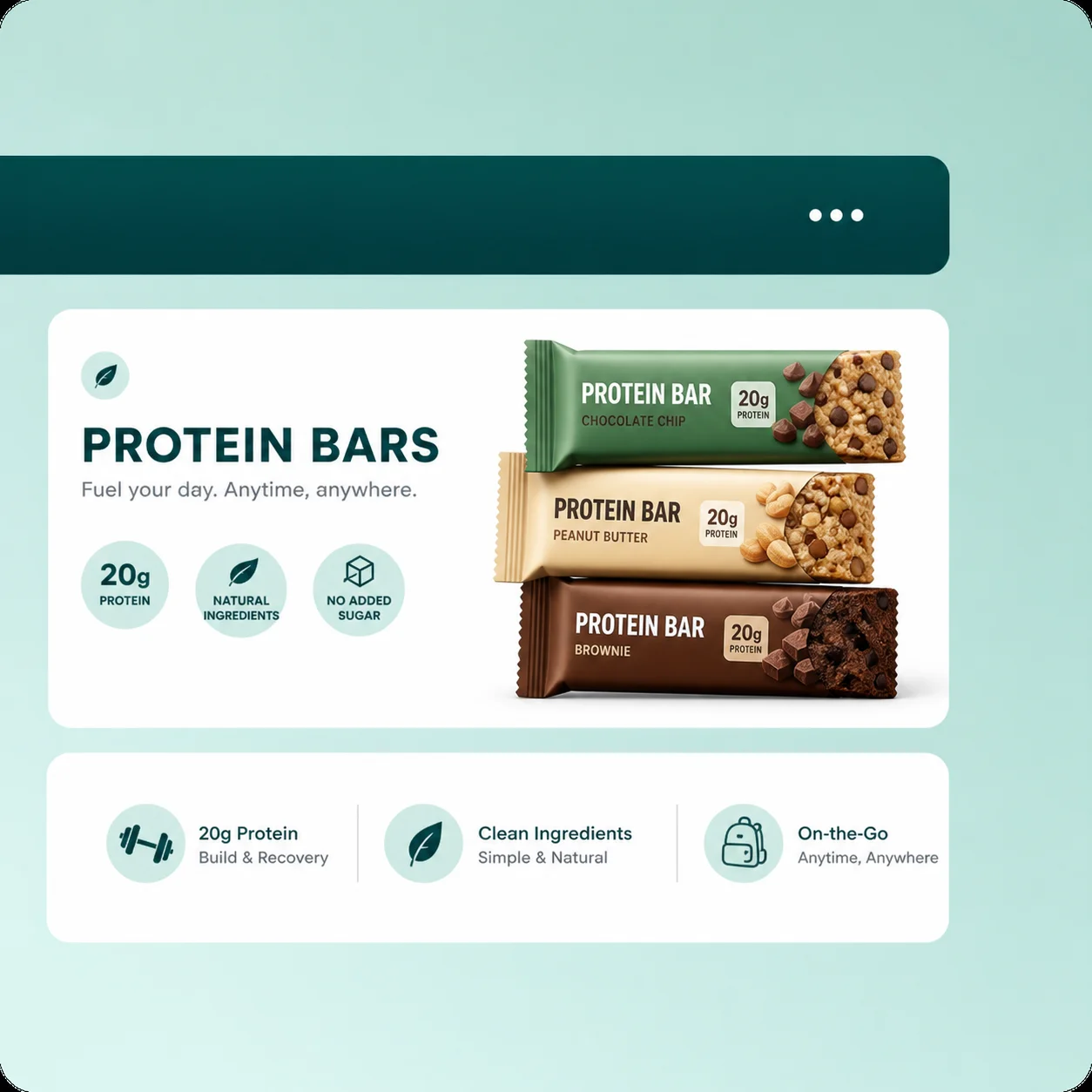
That image is why so many product tests fail for the wrong reason. The product might have been fine; the creative made it look like a parcel from a warehouse. MagicBrief lets you describe the product in a setting a buyer would recognise — on a counter, in a hand, in a room that looks lived in — and get a usable ad creative back in seconds, for free, before any money is at risk.
Two limits are worth stating plainly. The generator works from text, so it renders a plausible product matching your description rather than a photograph of the exact item in the supplier catalogue. And it does not estimate demand, spend or performance. It is a way to give a product test a fair creative, not a way to skip the test.
What changes for a dropshipper
Test before inventory
Ad creative exists before a sample ships. A product idea can be in front of an audience the same day you find it.
Escape the supplier photo
Everyone selling the same item is running the same catalogue image. A described scene is unique to you, which is most of the differentiation a test needs.
Zero fixed cost per test
No subscription, no credits, no account. Killing a product after two days costs you the ad spend and nothing else.
A product-test loop
The loop that gets a candidate product in front of real traffic within a day.
1. Describe the product honestly
Write what the item actually is — material, colour, size, shape. An accurate description keeps the creative close to what a buyer will receive.
2. Place it in a buyer's world
Add the setting the customer would use it in, plus the light. Kitchen counter, car dashboard, gym floor, desk beside a laptop.
3. Generate for the placement
Most dropshipping traffic is vertical, so start at 9:16 and add a 1:1 for feed. Two ratios, two generations, under a minute.
4. Test, kill or scale
Run it, read the numbers, and move on fast. If the product wins, that is the moment to order samples and shoot the real thing.
Briefs for product tests
Vertical hook first, feed creative second.
A compact stainless steel handheld milk frother standing on a kitchen counter beside a glass of layered iced coffee, bright daylight, vertical 9:16 composition with the product centred
The same stainless steel milk frother lying on a pale marble counter with coffee beans scattered nearby, soft overhead light, clean top-down ecommerce ad photography, 1:1
Generate a creative for your test
Pre-filled with a product-test brief. Describe your item and its setting, then generate.
Free and anonymous. Protected by Cloudflare Turnstile — no account, no card.
Dropshipping questions
Only as closely as your description. The model renders what the words describe, not a photograph of the supplier's exact unit, so keep the material, colour and proportions accurate and avoid implying features the item does not have. Once a product proves out, replace generated imagery with photographs of the real thing.
No, and you should not try. MagicBrief has no access to any ad library, and copying a specific ad, brand or logo is both a legal risk and a bad strategy. Describe the structure you liked in your own words and make your own version.
A fair-use hourly cap applies so the free tool stays available, but there is no cost per image and no plan to buy. Testing several products a day sits comfortably inside it.
Ready to create better ads?
Write one line, pick a placement, and get a launch-ready creative in seconds.